

The first time I tried to meditate, I thought I was doing it wrong because I couldn’t stop thinking. Nobody told me that was never the point.
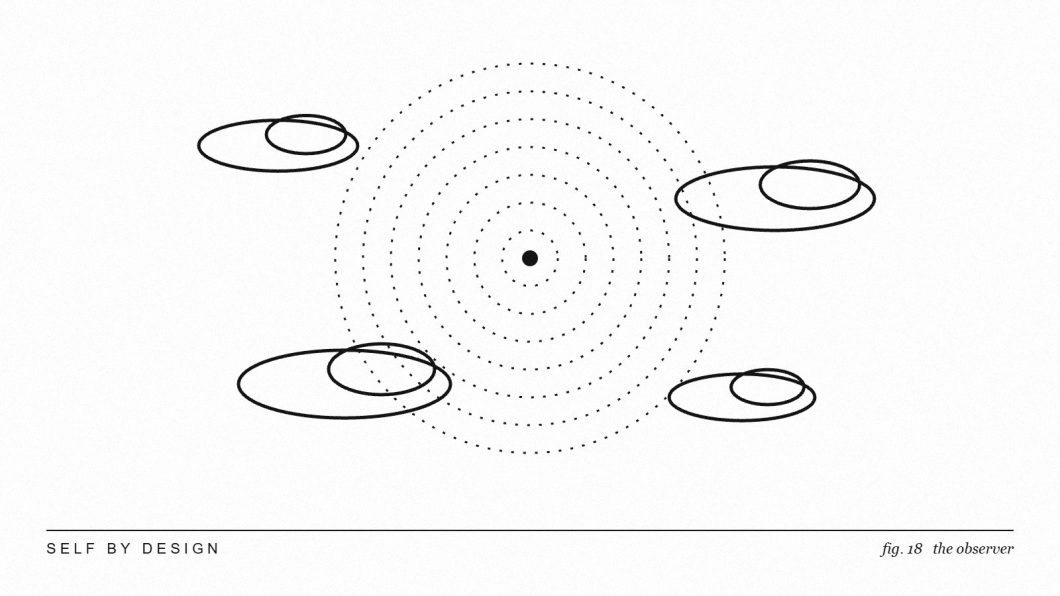
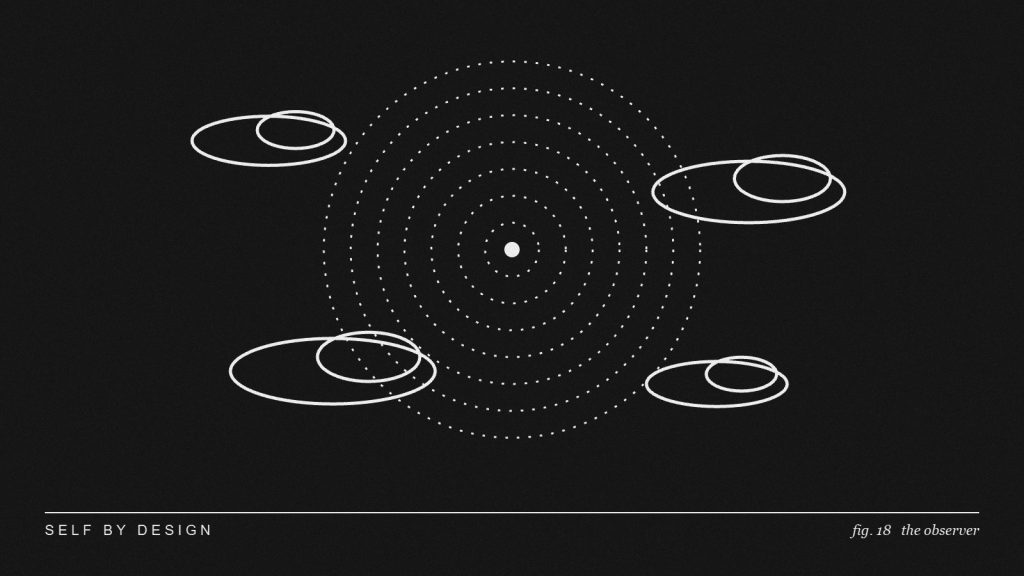
You don’t meditate to empty your mind. You meditate to find out you’re not your thoughts. You’re the one watching them.
What meditation actually does
Most of us live on autopilot. Pulled around by thoughts, moods, and other people’s energy. We react without realizing we’re reacting. We carry other people’s words around like they were carved into us.
Meditation is a training ground. It’s where you learn to step out of the storm, choose how you respond, and find calm when life is loud. Do it long enough and it stops being something you do on a cushion. It becomes how you live.
Two kinds of meditation
Mindfulness is the art of watching without reacting. You don’t stop thoughts. You watch them rise and fade, and you put some distance between you and them. Mindfulness frees you.
Focused meditation is where you point your awareness on purpose. A picture, a phrase, a state you want to live in. That’s how you reprogram the subconscious. Focus programs you.
Beginners should start with the first one.
How to meditate for beginners, step by step
1. Get comfortable
Sit or lie down. Let your body be fully supported. Close your eyes.
2. Breathe on purpose, then let go
Breathe in through your nose, hold it gently, let it out through your mouth. Twice. Feel your shoulders drop and your jaw unclench. Then stop controlling the breath and just watch it.
3. Label what shows up
Thoughts will come. That’s what minds do. Don’t fight them, don’t judge them, don’t chase them. Just name them. Thinking, thinking. A feeling shows up: feeling, feeling. A memory: memory. This is the same noting practice I wrote about in Vipassana labeling.
4. Come back
You’ll drift. Every time you notice and come back to the breath, that’s the rep. Each return is a win, not a failure.
5. Close slowly
One more deep breath. Wiggle your fingers and toes. Open your eyes when you’re ready.
Why this matters more than calm
The real gift shows up later. Somebody says something that would normally sting, and instead of absorbing it, you watch it pass like any other thought. That’s freedom.
There’s a deeper reason too. In Chapter 14 of You Are Not You, I call meditation a theta doorway: the relaxed state where the critical mind quiets down and new programming can actually get in. Mindfulness gets you to the door. What you put through it is up to you. That’s the 20-minute protocol.
Practice on your own
Once you’ve done the guided version a few times, try it with nothing but a timer. Gong at the start, gong at the end, silence in between.
For nights
The minutes right before sleep are the other open window. If you want a guide to help you get heavy and drift off, this one’s for bedtime.
Related: SATS, the state akin to sleep.
The book is You Are Not You. It isn’t out yet, but the first three chapters and the one-page protocol are free. Get them here.