

You decide the thing is done. You hold it for four days. Then the exact opposite walks in the door.
The email says no. The bank balance drops. The person goes quiet. And everything in you goes, well that settles it, this doesn’t work.
That moment is the whole game, and almost everybody loses it.
Why the opposite shows up right after you decide
Nothing personal is happening. You are looking at delay, not at a verdict.
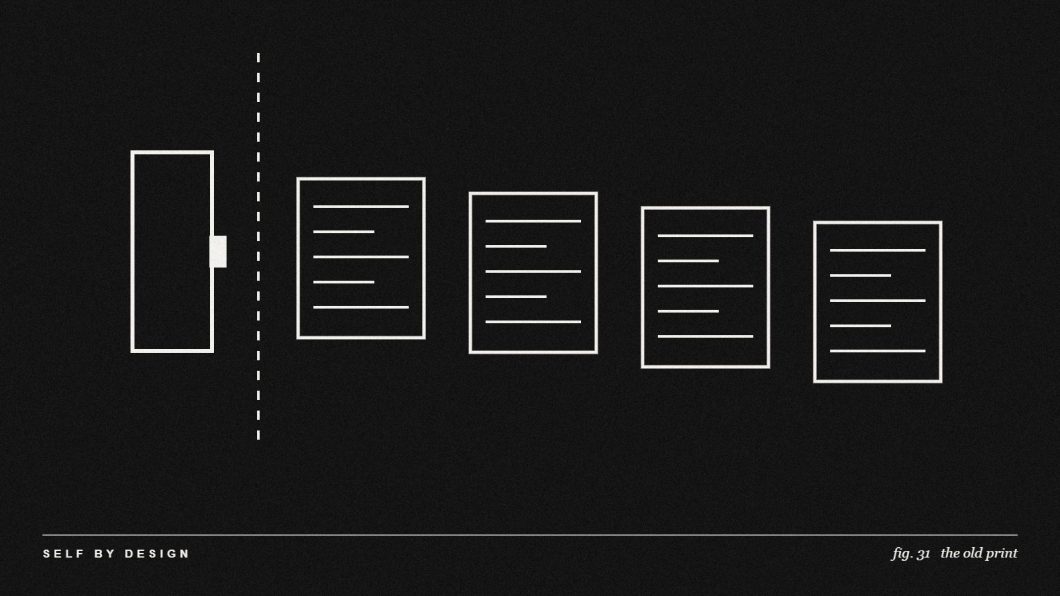
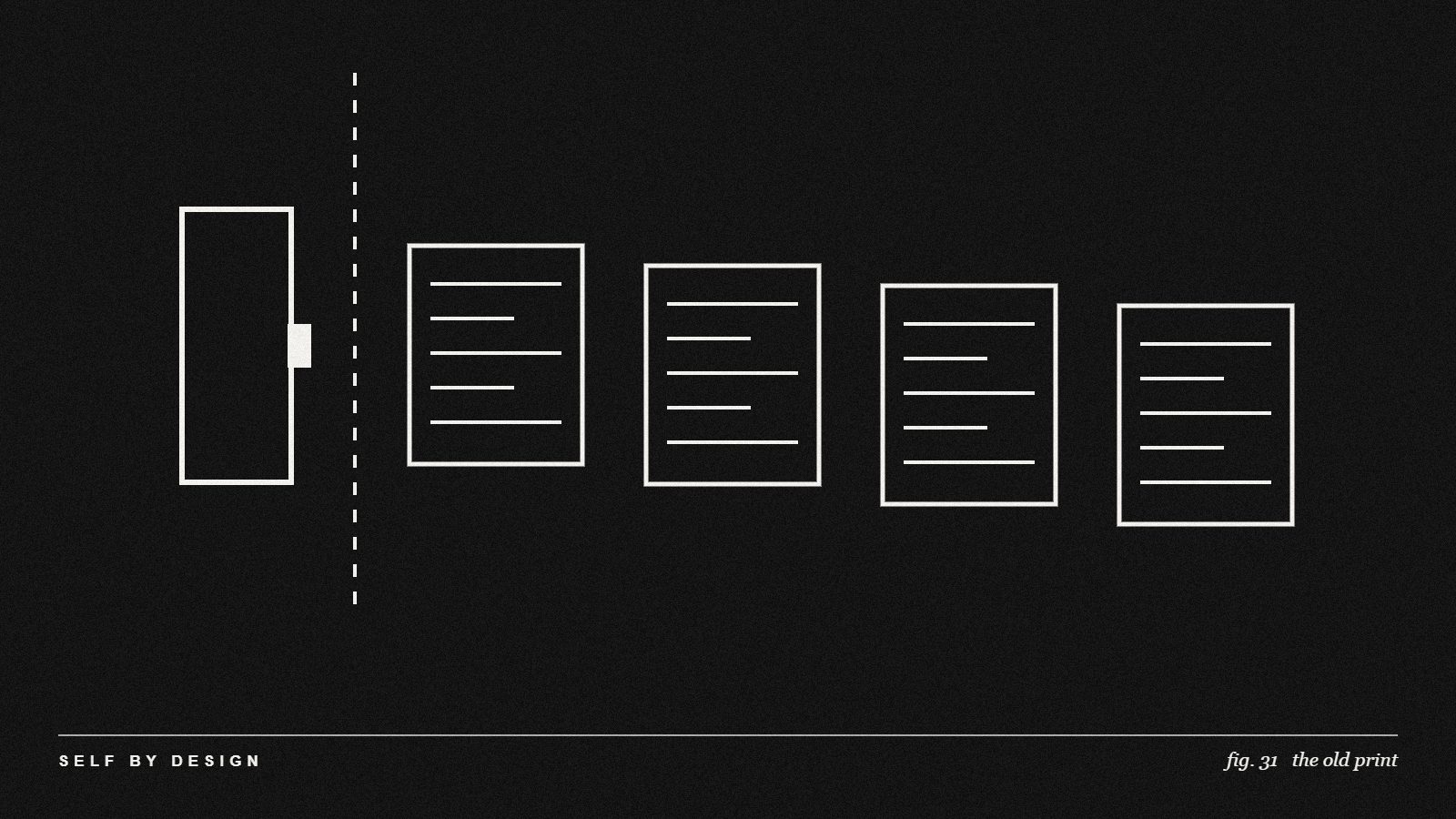
What is in front of you right now was set in motion by what you assumed weeks and months ago. You changed the order on Tuesday. The printer is still finishing last month’s job. It does not stop mid page and it does not apologise.
So the evidence you are staring at is old evidence. Treating it as an answer to a question you asked four days ago is a category error, and it is the most expensive one in this whole practice.
What to do in the actual moment
Not later, not after you journal about it. In the thirty seconds after it lands.
- Catch the reaction before it becomes a conclusion. The feeling is fine. The sentence that follows it is the problem. “See, it’s not working” is a new order, placed in a hot emotional state, which is exactly how things get written in permanently.
- Name what it is out loud. “That’s the old print.” Sounds stupid. Works, because it interrupts the slide from event to identity.
- Do not fix it, and do not fight it. Arguing with the appearance is still treating it as real information.
- Go back to the state, not the outcome. Not “how do I make the money appear”. What does an ordinary afternoon feel like for the version of me who is not worried about this. Sit in that for a minute.
- Then act normal. Whatever the calm version of you would have done with the rest of the day, do that.
The trap nobody warns you about
Checking is the thing that kills it.
Refreshing the inbox, looking at the balance, reading the message again for tone. Every check is a small announcement that you do not have it yet. Do that fifteen times a day and the assumption you are actually running is not the one you set on Tuesday. It is “I am waiting”, and waiting is a state you can hold for years.
You are allowed to want it. You are not allowed to keep auditing reality for proof, because the auditing is itself the order.
How long you are supposed to hold it
Longer than feels reasonable. The opposite usually shows up early, when you have the least evidence and the least patience, and it can show up more than once.
The people this works for are not the ones with more belief. They are the ones who saw the opposite, went oh, that’s the old print, and carried on. That is it. That is the entire difference.
Common questions
Does the opposite showing up mean it is coming?
No, and be careful with that one. It is comforting and it turns into its own superstition, where you start needing bad signs to feel reassured. The opposite is neutral. It is residue. It means nothing either way.
How is this different from denial?
Denial is pretending the bill did not arrive. This is paying the bill while not concluding anything about who you are from the fact that it came. You handle what is in front of you. You just do not let it rewrite the assumption.
What if it keeps happening?
Then look at what you are assuming between sessions, not during them. Ten good minutes at night against sixteen hours of quiet dread is not a fair fight. The rest of the day is where the real order gets placed.
Should I start over?
No. Starting over is another way of saying the last attempt failed, which is the conclusion you are trying not to draw. There is nothing to restart. Just go back to the state.
The point
The opposite is not the universe answering you. It is the last page of something you already stopped ordering.
Let it finish printing. Do not read it as a reply.
Go deeper: why wanting is the problem, why trusting the process needs self trust first, and the three ways this actually gets rewritten.
The book is You Are Not You. It is not out yet, but the first three chapters and the one-page protocol are free. Get them here.