

You didn’t manifest your cancer. I need to say that straight before anything else on this page. You didn’t think your way into a tumor. You didn’t vibrate wrong and give yourself a diagnosis. Anybody who tells a person with cancer that they attracted it, that they weren’t grateful enough, that their thoughts were too negative, is handing a sick person the bill for their own body. That’s not wisdom, that’s cruelty wearing a nice voice.
I’m not going to sit here and tell you to positive-think your way out of a real condition either. The pain is real. The treatment is real. The fear at 3am is real. But there’s a part of this that’s still yours, and I want to walk through it with you, because it matters more than most people ever explain.
WATCH
The story you tell about the same body
Here’s what almost nobody tells you when a diagnosis lands: the condition itself isn’t the only thing being decided. There’s a second thing running underneath it, quieter, that nobody hands you a pamphlet for.
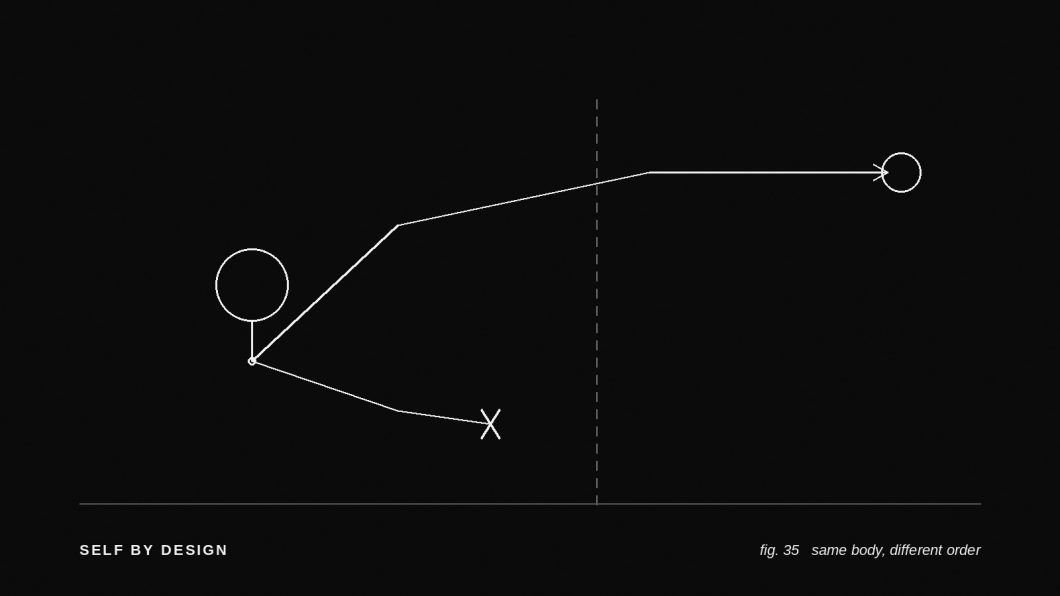
You can be in that exact body, with that exact diagnosis, and assume I’m broken, I’m finished, this is the end of my story. That prints one life. Or you can be in the exact same body, same scan results, same oncology appointment on the calendar, and assume I’m still here, this body has limits and I am not my limits. That prints a different life. Same body. Different order. Different printout.
This is not me telling you to smile through chemo. It’s not about pretending the pain isn’t there or that the fear isn’t real. It’s about refusing to let the diagnosis write the assumption underneath it, because that part, unlike the diagnosis itself, is still yours to place.
Cancer comes with its own extra layer of guilt
Regular illness guilt is bad enough. Cancer’s got a whole extra industry built on top of it. You’ve heard the language: fight it, beat it, be a warrior, stay positive, your attitude determines your outcome. It sounds like encouragement. It functions like a trap. Cancer Research UK addressed this directly: there is no good evidence that a positive attitude changes survival, and treating it like medicine just adds pressure to people who are already doing enough.
Because here’s what that framing does without anyone meaning it to: if staying positive beats cancer, then relapsing or dying means you didn’t stay positive enough. It means the sick person, or the grieving family standing over them, gets to add self-blame on top of everything else they’re already carrying. Nobody asked for that math, and nobody should be doing it.
I’ve watched people white-knuckle a smile through appointments because someone told them negativity feeds tumors. That’s not resilience. That’s a person performing wellness on top of an already unbearable week, because somebody sold them a rule that was never true.
What’s actually in your hands
You didn’t manifest your cancer, and you can’t manifest it away by thinking harder either. What you can do is decide what you assume about who you are while you’re going through it. Not the outcome, the identity underneath it. That’s a different job than the one the wellness industry keeps handing you.
You can be in treatment and still be someone who calls their sister back. Still be someone who plans a trip six months out even when the doctors won’t promise it. Still be someone whose kids remember them laughing in the kitchen, not just lying in a hospital bed. That’s not denial. That’s placing an order with whatever time and energy you’ve actually got, instead of handing the whole thing over to the diagnosis.
If you’re the one watching someone else go through it
This hits caregivers and family too. If someone you love had cancer and didn’t make it, and some corner of your mind has been quietly running the tape that maybe they didn’t fight hard enough, maybe they gave up, stop that tape right now. Bodies fail for reasons that have nothing to do with attitude. You do not get to add a verdict on top of your grief. Neither do I, about anyone I’ve lost.
Common questions
Did I manifest my cancer?
No. You didn’t manifest your cancer. Cancer is cells dividing wrong, not a punishment for bad vibes. Nobody’s thoughts, however negative, cause a tumor to form. Anyone telling you otherwise is selling a story, not a medical or psychological fact.
Does staying positive improve cancer outcomes?
Staying calmer can help you sleep, eat, and show up for treatment, which matters. But there’s no evidence that attitude changes tumor biology, and treating positivity like medicine puts an unfair second job on sick people who are already doing the hardest thing they’ll ever do.
So what does the book actually say I’m responsible for?
Not the diagnosis. The assumption running underneath it, the story you tell about who you are while you’re in it. That’s the only part that was ever yours to place, and it’s still enough to matter.
The point
Yeah, this lines up perfectly with the book. Chapter 12 of You Are Not You covers this directly, right down to the wheelchair and the diagnosis language. The whole chapter’s built on one line: you did not order the harm, you are placing the order for everything that comes after it. That’s not a metaphor when it comes to illness. It’s the actual mechanic.
You didn’t manifest your cancer. Nobody did. But whatever you’re carrying, you still get to decide what you build with it. That part was never taken from you, and it’s not up for negotiation with anybody selling a different story.
If chronic illness more broadly is what brought you here, read Did I Manifest My Illness? No. And if someone in your life passed the blame onto you instead of what happened to you, this one on trauma is worth reading too.
The book is You Are Not You. It isn’t out yet, but the first three chapters and the one-page protocol are free. Get them here.